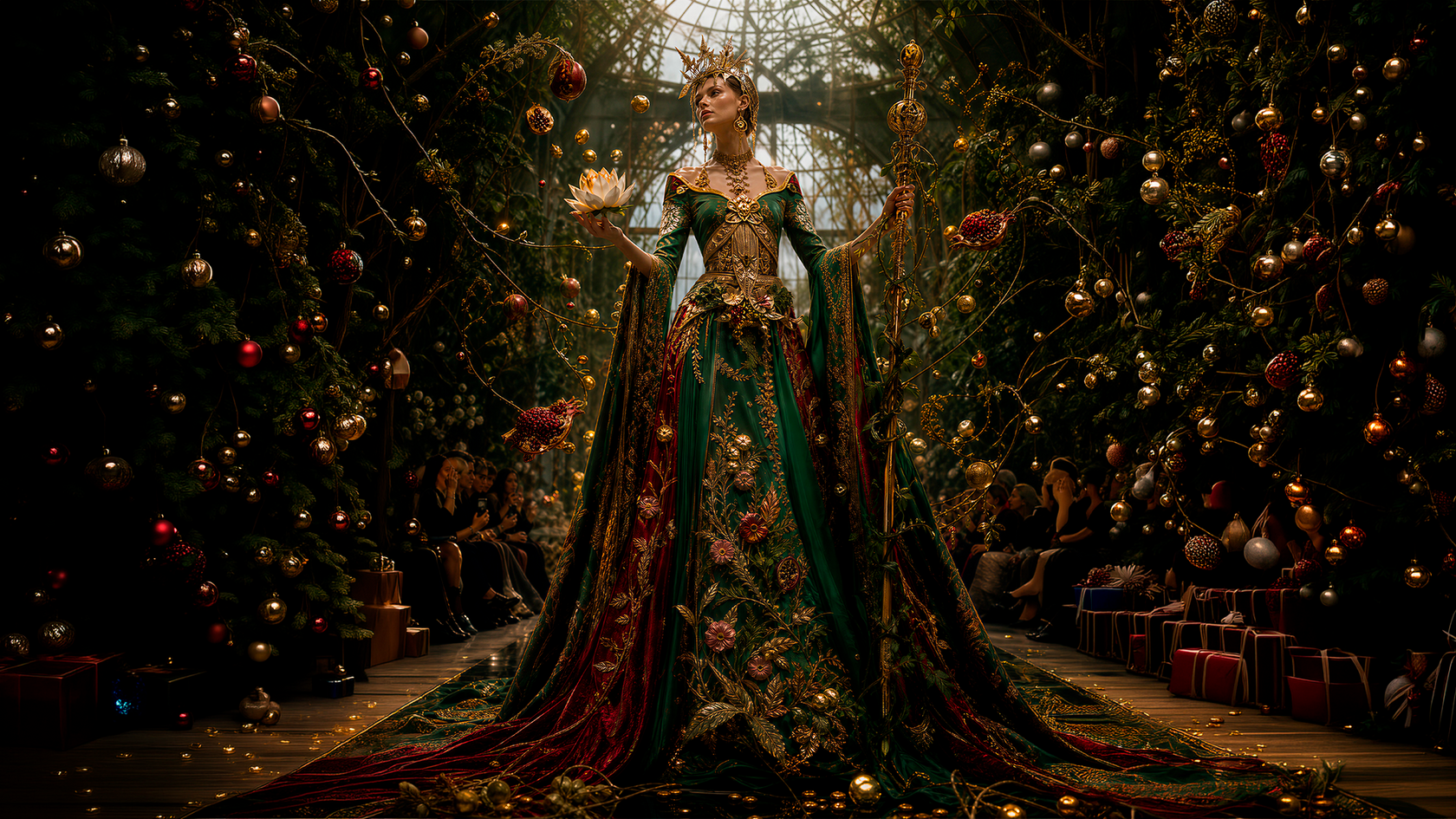
The quietest grief is the one no one can see.
Genre: Literary fiction / chamber drama / philosophical novella
Age rating: 18+
Arcana: III — The Empress
Fear: Barrenness — of body, of creativity, of feeling
Core fear formula: "I am supposed to give life — but inside there is nothing."
The deck had been kept on the topmost shelf, behind an old tin of buttons and a tea box that held letters.
The boy hadn't been looking for it.
He'd been reaching for a ball.
He unwrapped it on the floor — the cards spilling out slowly, the buttons scattering around him — and began turning them over one by one, the way you page through a book in a language you don't know.
He stopped at the third card.
A woman sat in a garden. Around her, everything that could grow was growing. Stars above her head. A river at her back. She wasn't looking at any of it. She was simply sitting.
"Grandma," he called, without lifting his eyes. "Why is she sitting? Why isn't she walking?"
His grandmother came in, drying her hands on her apron. She looked at the card. She was quiet for a moment — not because she didn't know the answer, but because there were several, and she needed to choose the one he would understand.
"Because some things only come to those who know how to wait."
The boy looked up.
"Does she know how?"
"Sit down," his grandmother said. "I'll tell you three stories."
She stood at the window at half past six in the morning, holding the thermometer the way you hold something that carries too much weight.
Outside was the garden — her husband had planted it two years ago, when they still believed it would happen quickly. The apple trees were already bearing fruit. Heavy, red, indifferent to everything inside the house.
She looked at them without joy.
Her phone lit up on the windowsill: bloodwork, 9:00 a.m. She dismissed it without reading. She knew when the appointment was. She had the whole schedule memorized — the days, the hours, the dosages, the temperatures, the probability charts, the statistics by age. Knowledge had become a way of existing. As long as she knew, she was doing something. As long as she was doing something, she didn't have to think about what would happen if the answer was no again.
She had given up coffee three weeks ago.
The smell remained — her husband made it for himself every morning, and she could hear it through the closed kitchen door.
She pressed the thermometer against her palm. The metal was cold.
In the garden, a bird landed on the nearest apple branch.
Red — improbably, almost aggressively red for this grey morning. It settled without looking around and began to eat — methodical, unhurried, as though this were the only thing that made sense right now.
She watched it and didn't move.
The bird left — she didn't notice when. The branch where it had been still trembled. The apple remained half-eaten, bright at the break, open to everything she couldn't name.
She set the thermometer down on the windowsill beside the phone.
Not because she was finished. Only because her hand had let go on its own.
Then the kitchen door opened.
"I could come with you," her husband said. Not a question — an offer, careful, the way everything he said had been careful these past months.
"You don't need to," she said.
Too quickly. They both heard it.
He was quiet for a moment.
"Alright."
And left.
She stayed at the window. The thermometer lay beside the phone. Neither made a sound.
Eight years is not a sentence and not a diagnosis.
It is simply the amount of time in which a person stops being able to tell where exhaustion ends and something else begins.
He came to the studio every morning at eight. Put on his apron. Stood before the block. Waited.
He hadn't needed to wait before. Before, his hands knew before his mind did. The hands moved, and out of the movement came something that others later named — form, image, meaning. He didn't invent those words. He simply removed what didn't belong, the way he'd always described sculpture: you don't create. You release.
Now the hands moved, but what remained wasn't alive.
He knew it immediately. Finished anyway. Set the work in the corner. Didn't look at it.
The corner was full.
On the worktable lay an old pocket watch — the hands fixed at twelve, stopped long ago, he couldn't remember when. He used it as a paperweight. Sometimes he looked at it and thought about winding it. He never did.
That afternoon a student came — young, awkward, with a piece wrapped in newspaper tucked under his arm.
He unwrapped it on the table.
The figure was uneven. The proportions were off. The surface rough where it should have been smooth, and smooth where it needed texture. Technically — weak.
But there was something in it.
Something that hadn't been in his own work for eight years.
He looked at it for a long time. The student waited — tense, ready for any response.
"Good," he said at last.
One word. But he heard what it cost him.
The student left. He stood alone with the new block — the one he'd been standing before for three hours before the boy arrived. He picked it up with both hands. Felt the weight.
Then set it down on the edge of the table.
Quietly. Without anger.
The block split.
He looked at the two halves for a long time. Then lifted one and placed it beside the watch — without looking at it, without expecting anything from it. Only because the space was there.
After everyone had gone, she washed the dishes.
It had always been this way: first the guests, then the dishes, then the silence. The order hadn't changed in forty years.
This time she stopped with the last plate in her hands — didn't carry it to the rack. Just stood over the sink and couldn't think of a reason to move.
Then she did. Set the plate down. Took off her apron. Hung it on the hook.
She walked into the sitting room. Lowered herself into the armchair by the window. Closed her eyes, waiting for what usually came after a large family dinner — that warm, heavy, pleasantly tired fullness. The sense of a day spent rightly. Of being needed. Of it all meaning something.
It didn't come.
There was silence. And inside the silence — an emptiness, even and inexplicable.
She sat with it.
Didn't try to fill it. Didn't get up. Didn't call one of her children on the pretext of a forgotten scarf.
She simply sat.
On the windowsill a candle was burning down — her granddaughter had lit it at the start of the evening and forgotten to blow it out. The flame was small now, almost at the edge, moving the way something moves when it knows its end is close but sees no reason to hurry.
She watched it for a long time.
Then thought: a candle doesn't stop being a candle when it burns out.
It simply becomes something else.
She didn't get up to blow it out.
For the first time in many years she allowed something to end without her. Just watched the flame take what remained — steadily, without urgency, without grief over how much had already burned.
When the flame went out, the room grew darker.
Not frightening. Only darker.
She sat a little longer in that darkness.
And for the first time in a long while felt no obligation to do anything at all.
The boy was quiet.
His grandmother was quiet too. She sat across from him, her hands resting in her lap — still, without the apron, without anything to do.
He looked at the card.
The woman in the garden. The stars. The river. She sits.
"Grandma," he said at last. "Is she happy?"
His grandmother took the card from his hands.
Looked at it for a moment.
Placed it back in the deck.
"She is real," she said. "That matters more."
The boy thought about this.
Outside, it was quiet. So quiet that it seemed to him — somewhere far away — a clock was ticking.
He listened.
Nothing.
The boy hadn't been looking for it.
He'd been reaching for a ball.
He unwrapped it on the floor — the cards spilling out slowly, the buttons scattering around him — and began turning them over one by one, the way you page through a book in a language you don't know.
He stopped at the third card.
A woman sat in a garden. Around her, everything that could grow was growing. Stars above her head. A river at her back. She wasn't looking at any of it. She was simply sitting.
"Grandma," he called, without lifting his eyes. "Why is she sitting? Why isn't she walking?"
His grandmother came in, drying her hands on her apron. She looked at the card. She was quiet for a moment — not because she didn't know the answer, but because there were several, and she needed to choose the one he would understand.
"Because some things only come to those who know how to wait."
The boy looked up.
"Does she know how?"
"Sit down," his grandmother said. "I'll tell you three stories."
She stood at the window at half past six in the morning, holding the thermometer the way you hold something that carries too much weight.
Outside was the garden — her husband had planted it two years ago, when they still believed it would happen quickly. The apple trees were already bearing fruit. Heavy, red, indifferent to everything inside the house.
She looked at them without joy.
Her phone lit up on the windowsill: bloodwork, 9:00 a.m. She dismissed it without reading. She knew when the appointment was. She had the whole schedule memorized — the days, the hours, the dosages, the temperatures, the probability charts, the statistics by age. Knowledge had become a way of existing. As long as she knew, she was doing something. As long as she was doing something, she didn't have to think about what would happen if the answer was no again.
She had given up coffee three weeks ago.
The smell remained — her husband made it for himself every morning, and she could hear it through the closed kitchen door.
She pressed the thermometer against her palm. The metal was cold.
In the garden, a bird landed on the nearest apple branch.
Red — improbably, almost aggressively red for this grey morning. It settled without looking around and began to eat — methodical, unhurried, as though this were the only thing that made sense right now.
She watched it and didn't move.
The bird left — she didn't notice when. The branch where it had been still trembled. The apple remained half-eaten, bright at the break, open to everything she couldn't name.
She set the thermometer down on the windowsill beside the phone.
Not because she was finished. Only because her hand had let go on its own.
Then the kitchen door opened.
"I could come with you," her husband said. Not a question — an offer, careful, the way everything he said had been careful these past months.
"You don't need to," she said.
Too quickly. They both heard it.
He was quiet for a moment.
"Alright."
And left.
She stayed at the window. The thermometer lay beside the phone. Neither made a sound.
Eight years is not a sentence and not a diagnosis.
It is simply the amount of time in which a person stops being able to tell where exhaustion ends and something else begins.
He came to the studio every morning at eight. Put on his apron. Stood before the block. Waited.
He hadn't needed to wait before. Before, his hands knew before his mind did. The hands moved, and out of the movement came something that others later named — form, image, meaning. He didn't invent those words. He simply removed what didn't belong, the way he'd always described sculpture: you don't create. You release.
Now the hands moved, but what remained wasn't alive.
He knew it immediately. Finished anyway. Set the work in the corner. Didn't look at it.
The corner was full.
On the worktable lay an old pocket watch — the hands fixed at twelve, stopped long ago, he couldn't remember when. He used it as a paperweight. Sometimes he looked at it and thought about winding it. He never did.
That afternoon a student came — young, awkward, with a piece wrapped in newspaper tucked under his arm.
He unwrapped it on the table.
The figure was uneven. The proportions were off. The surface rough where it should have been smooth, and smooth where it needed texture. Technically — weak.
But there was something in it.
Something that hadn't been in his own work for eight years.
He looked at it for a long time. The student waited — tense, ready for any response.
"Good," he said at last.
One word. But he heard what it cost him.
The student left. He stood alone with the new block — the one he'd been standing before for three hours before the boy arrived. He picked it up with both hands. Felt the weight.
Then set it down on the edge of the table.
Quietly. Without anger.
The block split.
He looked at the two halves for a long time. Then lifted one and placed it beside the watch — without looking at it, without expecting anything from it. Only because the space was there.
After everyone had gone, she washed the dishes.
It had always been this way: first the guests, then the dishes, then the silence. The order hadn't changed in forty years.
This time she stopped with the last plate in her hands — didn't carry it to the rack. Just stood over the sink and couldn't think of a reason to move.
Then she did. Set the plate down. Took off her apron. Hung it on the hook.
She walked into the sitting room. Lowered herself into the armchair by the window. Closed her eyes, waiting for what usually came after a large family dinner — that warm, heavy, pleasantly tired fullness. The sense of a day spent rightly. Of being needed. Of it all meaning something.
It didn't come.
There was silence. And inside the silence — an emptiness, even and inexplicable.
She sat with it.
Didn't try to fill it. Didn't get up. Didn't call one of her children on the pretext of a forgotten scarf.
She simply sat.
On the windowsill a candle was burning down — her granddaughter had lit it at the start of the evening and forgotten to blow it out. The flame was small now, almost at the edge, moving the way something moves when it knows its end is close but sees no reason to hurry.
She watched it for a long time.
Then thought: a candle doesn't stop being a candle when it burns out.
It simply becomes something else.
She didn't get up to blow it out.
For the first time in many years she allowed something to end without her. Just watched the flame take what remained — steadily, without urgency, without grief over how much had already burned.
When the flame went out, the room grew darker.
Not frightening. Only darker.
She sat a little longer in that darkness.
And for the first time in a long while felt no obligation to do anything at all.
The boy was quiet.
His grandmother was quiet too. She sat across from him, her hands resting in her lap — still, without the apron, without anything to do.
He looked at the card.
The woman in the garden. The stars. The river. She sits.
"Grandma," he said at last. "Is she happy?"
His grandmother took the card from his hands.
Looked at it for a moment.
Placed it back in the deck.
"She is real," she said. "That matters more."
The boy thought about this.
Outside, it was quiet. So quiet that it seemed to him — somewhere far away — a clock was ticking.
He listened.
Nothing.

Next novella in the cycle
IV. THE EMPEROR
The last form of power is agreeing to command no longer.
IV. THE EMPEROR
The last form of power is agreeing to command no longer.