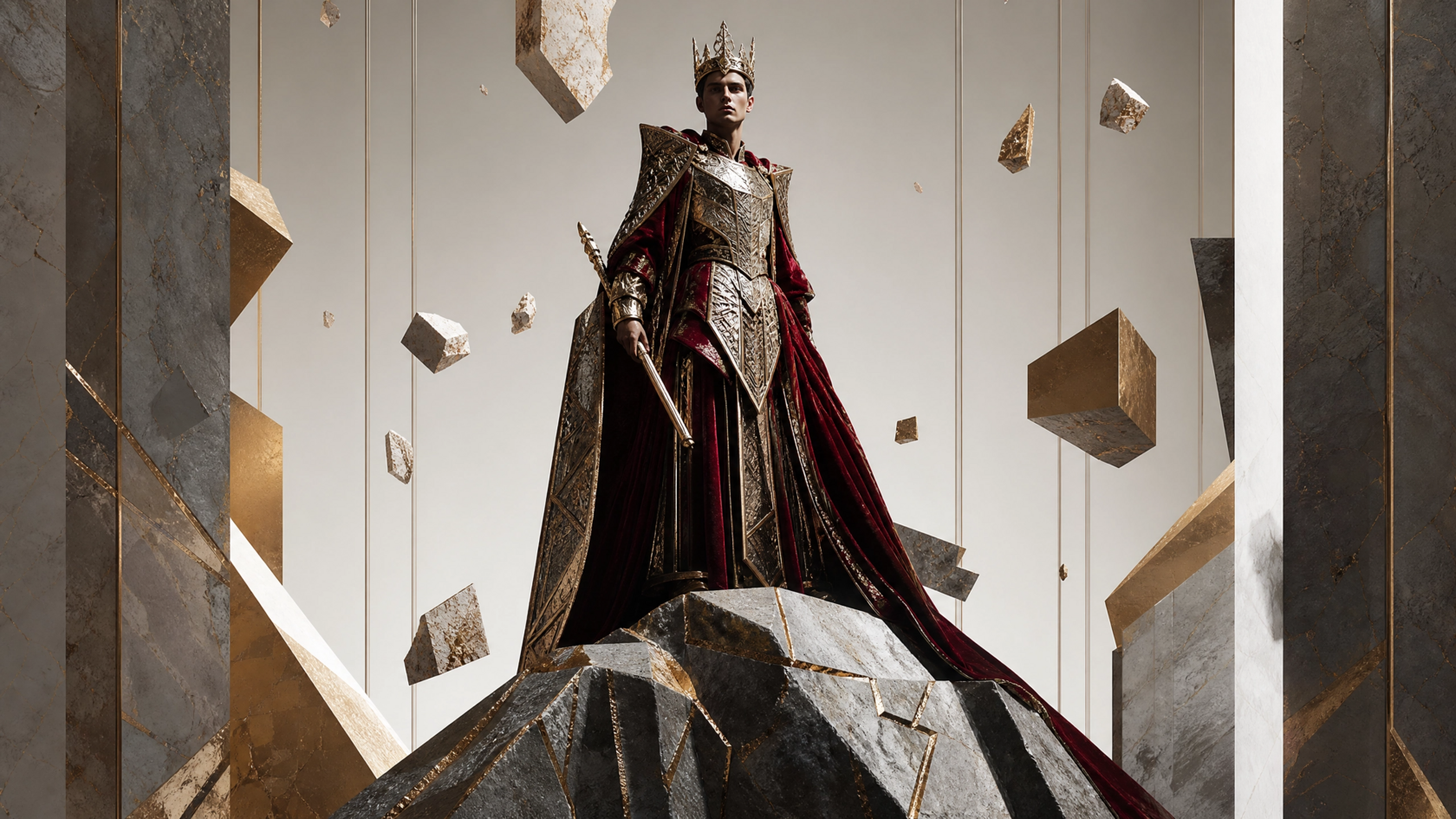
The most frightening thing is not being overthrown. It's no longer being asked.
Genre: Psychological drama / philosophical fiction / portrait prose
Age rating: 18+
Arcana: IV — The Emperor
Fear: Irrelevance
Core fear formula: "If no one listens to me — I don't exist."
He came to the table first.
It was his table — bought twenty-three years ago, chosen for a specific room, a specific place within it. Eight seats. Six occupied today. His daughter and her husband, his son, his daughter-in-law, two grandchildren. His wife in the kitchen. Everything as usual.
He sat down. Straightened his napkin. Waited.
When everyone had gathered, he began to speak — about something he'd seen in the news, about a decision that should have been made a year ago, about the price of mistakes that young people don't yet understand. He didn't raise his voice. He didn't ask for responses. He simply spoke — the way you speak when you are used to being heard.
They listened.
But he had known this table for twenty-three years. He knew what attention looked like. How people sat when they were waiting for a pause to ask something. How they looked when what was being said mattered.
They were sitting differently now.
Politely. Correctly. Without a single visible lapse. His daughter nodded. His son held his cutlery straight. His daughter-in-law didn't look at her phone.
Everything was in place. Except one thing.
He finished. A pause. His son said something about the weather. The conversation moved on — smoothly, effortlessly, the way water moves around a stone.
After lunch he went to his study.
He stood before the bookshelf. The books had stood the same way for seven years — by subject, then by size, spines aligned. He took the first one. Set it somewhere else, without looking where. Took the second. Moved it. Then the third.
Ten minutes later the shelf looked different.
He stood and looked at it.
His wife appeared in the doorway. Saw it. Said nothing. Left.
He didn't turn around.
He sat at the head of the table.
This had been his table for twenty-one years. The conference room on the seventh floor, the view of the embankment, eight chairs. He knew which one creaked — the third from the window. He knew the left air vent blew harder than the right, and that this bothered people with colds.
The young man to his right was speaking about quarterly results.
He spoke precisely, concisely, pausing in the right places. Didn't raise his voice. Didn't read from the slides — only pointed, then looked around the table to check that people had followed.
They had.
He also spoke — when his turn came. His voice was level. His phrasing exact. Everything as it had been for twenty years.
Except the eyes.
When he spoke, the eyes in the room were politely directed toward him. When the young man spoke, they moved on their own — effortlessly, the way eyes move toward a source of light.
The difference could have gone unnoticed.
He noticed.
During the break he stepped into the corridor. Reached into his jacket pocket and took out an old pocket watch. Closed his hand around it — without opening the case, without looking at the face. Simply held it. The metal warmed quickly. Too quickly — the way metal warms when it has been kept close to the body for a long time and already knows its temperature.
He knew the watch had stopped. Long ago.
He stood there for a minute.
Then put it back. Adjusted his jacket. Returned to the conference room.
Took his place at the head of the table.
Smiled — precisely as much as was needed.
The medals were laid out on the sitting room table.
He had taken them out himself, before his daughter arrived — wiped each one with a cloth, arranged them in an order that meant something. The boy would ask questions. Children always ask questions.
The boy didn't ask.
He looked at the medals the way you look at objects in someone else's home — politely, without questions. Then went into the next room, where there was a construction set.
He was left alone with the medals.
He sat for a long time. Looked at them — the metal, the ribbons, the dates struck deep enough not to wear away. Not one of those dates meant anything to the boy. Not because the boy was unkind. Simply because all of it had happened before him. Long before.
Then he stood up.
Gathered the medals. Put them in the case. Not out of hurt. Only because there was no longer any reason to keep them on the table.
He went into the next room.
The boy was sitting on the floor among the pieces of a construction set — plastic blocks, blue and red, scattered across the rug. Building something without instructions, following his own logic.
He lowered himself to the floor beside him. Not onto the sofa — onto the floor. Slowly, with the effort his knee had been demanding for the past two years.
He sat.
The boy didn't look up. Kept building.
Several minutes passed.
"Hold this," the boy said, without looking, and held out a piece — a blue block, nothing remarkable about it.
He took it.
Held it in his palm while the boy searched for the next one. Then another. Then the boy asked for a red one — that one, just past his hand.
He passed it over.
On the windowsill a bird was sitting — red, motionless, as though simply warming itself in a band of light. The boy caught it from the corner of his eye, reached toward it — the bird was gone before he could turn. He shrugged and went back to the blocks.
"Another blue one," he said.
He handed it over.
They sat like that for a long time — the boy building, he passing pieces. His knee ached. The rug was hard. Outside the window, it was growing dark.
He didn't get up.
It was his table — bought twenty-three years ago, chosen for a specific room, a specific place within it. Eight seats. Six occupied today. His daughter and her husband, his son, his daughter-in-law, two grandchildren. His wife in the kitchen. Everything as usual.
He sat down. Straightened his napkin. Waited.
When everyone had gathered, he began to speak — about something he'd seen in the news, about a decision that should have been made a year ago, about the price of mistakes that young people don't yet understand. He didn't raise his voice. He didn't ask for responses. He simply spoke — the way you speak when you are used to being heard.
They listened.
But he had known this table for twenty-three years. He knew what attention looked like. How people sat when they were waiting for a pause to ask something. How they looked when what was being said mattered.
They were sitting differently now.
Politely. Correctly. Without a single visible lapse. His daughter nodded. His son held his cutlery straight. His daughter-in-law didn't look at her phone.
Everything was in place. Except one thing.
He finished. A pause. His son said something about the weather. The conversation moved on — smoothly, effortlessly, the way water moves around a stone.
After lunch he went to his study.
He stood before the bookshelf. The books had stood the same way for seven years — by subject, then by size, spines aligned. He took the first one. Set it somewhere else, without looking where. Took the second. Moved it. Then the third.
Ten minutes later the shelf looked different.
He stood and looked at it.
His wife appeared in the doorway. Saw it. Said nothing. Left.
He didn't turn around.
He sat at the head of the table.
This had been his table for twenty-one years. The conference room on the seventh floor, the view of the embankment, eight chairs. He knew which one creaked — the third from the window. He knew the left air vent blew harder than the right, and that this bothered people with colds.
The young man to his right was speaking about quarterly results.
He spoke precisely, concisely, pausing in the right places. Didn't raise his voice. Didn't read from the slides — only pointed, then looked around the table to check that people had followed.
They had.
He also spoke — when his turn came. His voice was level. His phrasing exact. Everything as it had been for twenty years.
Except the eyes.
When he spoke, the eyes in the room were politely directed toward him. When the young man spoke, they moved on their own — effortlessly, the way eyes move toward a source of light.
The difference could have gone unnoticed.
He noticed.
During the break he stepped into the corridor. Reached into his jacket pocket and took out an old pocket watch. Closed his hand around it — without opening the case, without looking at the face. Simply held it. The metal warmed quickly. Too quickly — the way metal warms when it has been kept close to the body for a long time and already knows its temperature.
He knew the watch had stopped. Long ago.
He stood there for a minute.
Then put it back. Adjusted his jacket. Returned to the conference room.
Took his place at the head of the table.
Smiled — precisely as much as was needed.
The medals were laid out on the sitting room table.
He had taken them out himself, before his daughter arrived — wiped each one with a cloth, arranged them in an order that meant something. The boy would ask questions. Children always ask questions.
The boy didn't ask.
He looked at the medals the way you look at objects in someone else's home — politely, without questions. Then went into the next room, where there was a construction set.
He was left alone with the medals.
He sat for a long time. Looked at them — the metal, the ribbons, the dates struck deep enough not to wear away. Not one of those dates meant anything to the boy. Not because the boy was unkind. Simply because all of it had happened before him. Long before.
Then he stood up.
Gathered the medals. Put them in the case. Not out of hurt. Only because there was no longer any reason to keep them on the table.
He went into the next room.
The boy was sitting on the floor among the pieces of a construction set — plastic blocks, blue and red, scattered across the rug. Building something without instructions, following his own logic.
He lowered himself to the floor beside him. Not onto the sofa — onto the floor. Slowly, with the effort his knee had been demanding for the past two years.
He sat.
The boy didn't look up. Kept building.
Several minutes passed.
"Hold this," the boy said, without looking, and held out a piece — a blue block, nothing remarkable about it.
He took it.
Held it in his palm while the boy searched for the next one. Then another. Then the boy asked for a red one — that one, just past his hand.
He passed it over.
On the windowsill a bird was sitting — red, motionless, as though simply warming itself in a band of light. The boy caught it from the corner of his eye, reached toward it — the bird was gone before he could turn. He shrugged and went back to the blocks.
"Another blue one," he said.
He handed it over.
They sat like that for a long time — the boy building, he passing pieces. His knee ached. The rug was hard. Outside the window, it was growing dark.
He didn't get up.
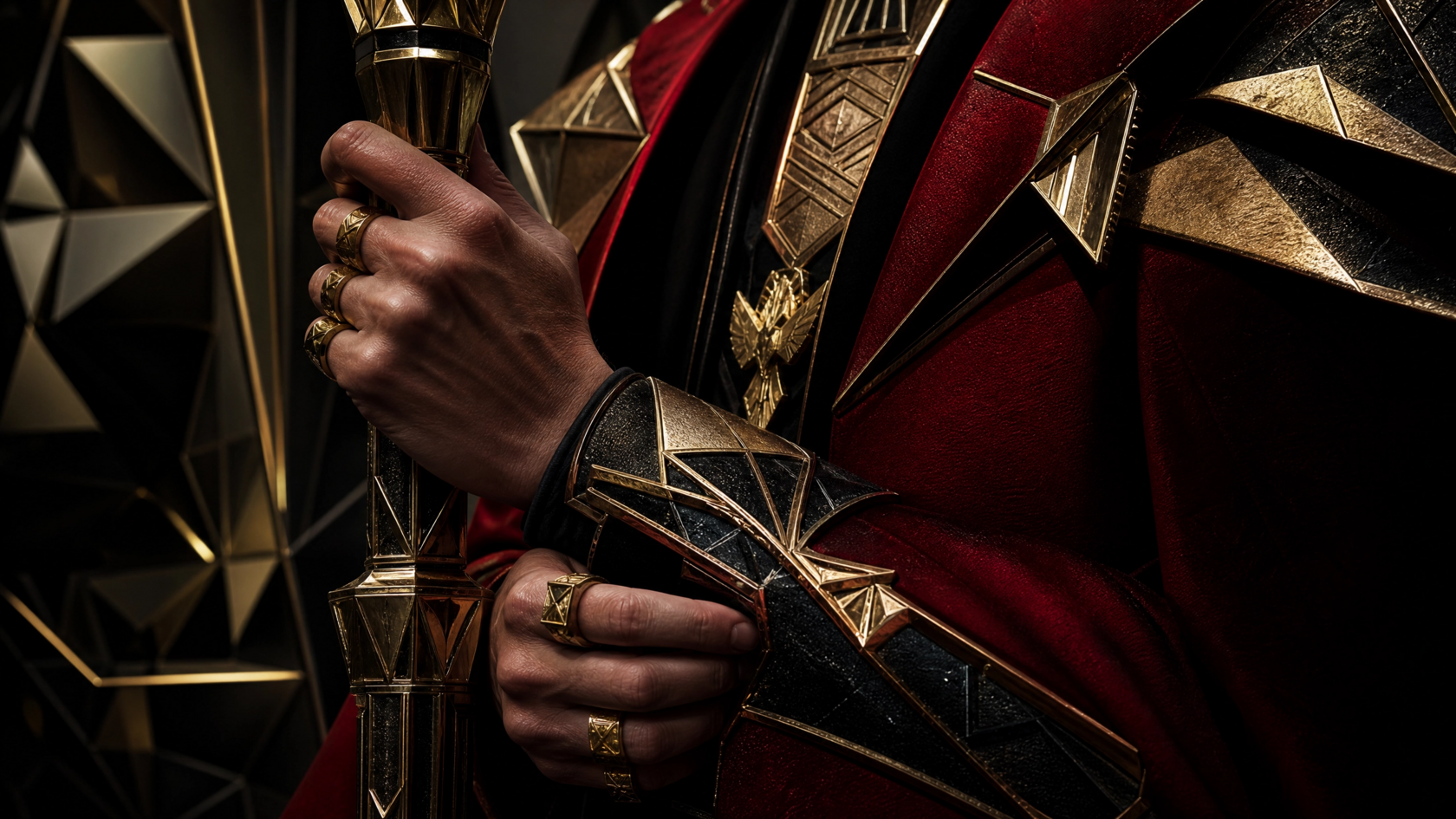
Next novella in the cycle
The fifth novella — "V. THE HIEROPHANT" — is currently in development. Follow the cycle at: iskandarkadyrov.com/path-to-the-fool
The fifth novella — "V. THE HIEROPHANT" — is currently in development. Follow the cycle at: iskandarkadyrov.com/path-to-the-fool