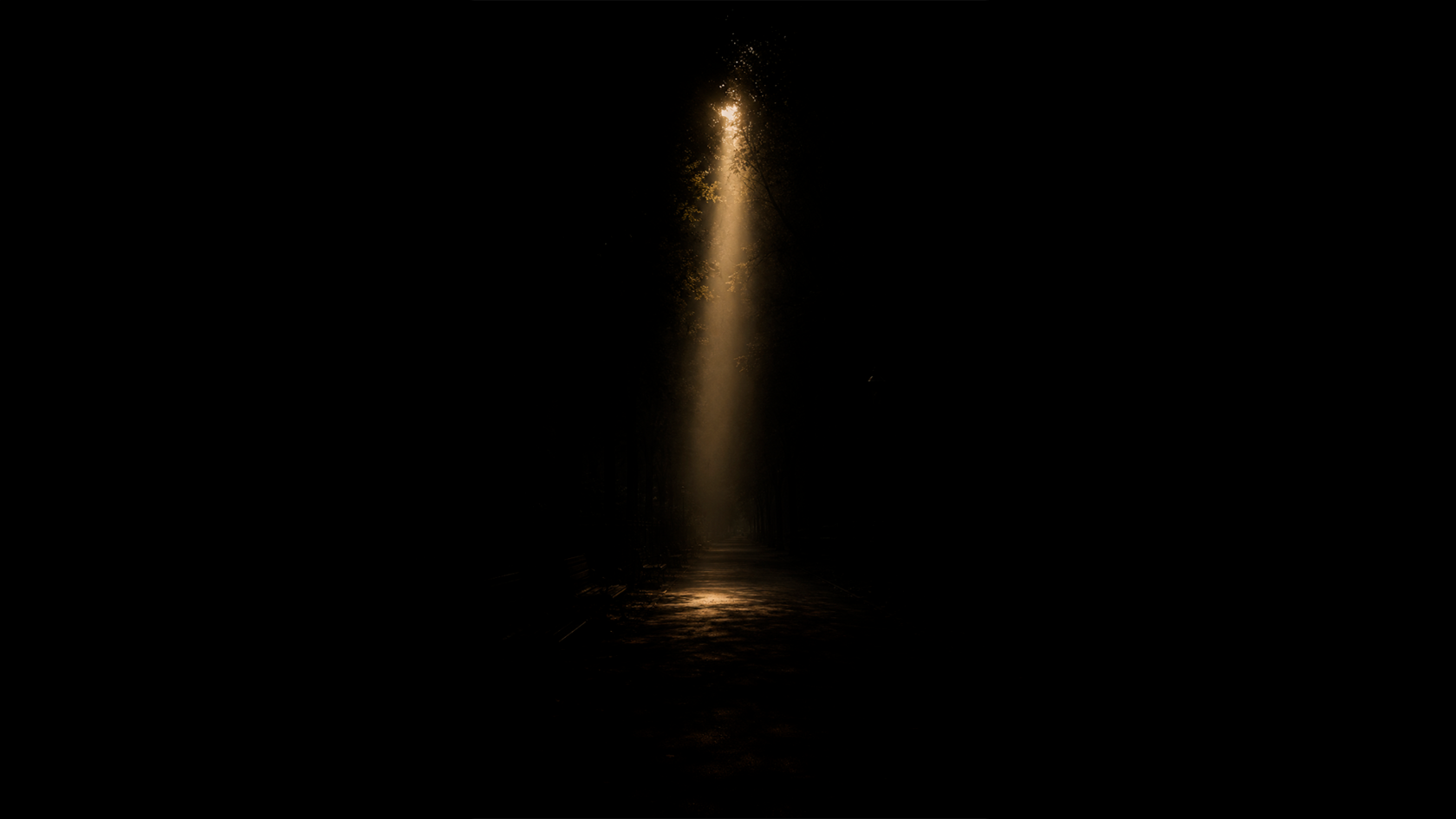
Streetlamps—stars tethered to the earth.
Part One
A Star Born on Earth
I was created by humans—from cast iron, glass, and a longing for the sky. Five globes on my crown, five voices fused into a single pulse. I am called Lantern. The one and only, standing sentinel at the south-eastern gate of Central Park.
My symbolic birthday is the summer of 1900, when the park first opened its gates to visitors. Since then, I have been a guardian of the entrance, a keeper of fleeting joys and hidden sorrows. We lanterns are splinters of sunlight, imprisoned in glass. Stars nailed to the earth for a time, so that in the evening haze we might remind you: light exists.
Over a century, I have witnessed more love than a city could contain. Couples came to me, and beneath my golden breath, words were spoken that made even the cast iron warm. I memorized their whispers, their tremors, their small, precious secrets. But I, too, held a secret of my own: every night, when the park emptied, I gazed up at the sky—towards the place where, among thousands of stars, one shone brightest. It twinkled with a peculiar tenderness, and I allowed myself to think it was winking at me. My celestial beloved, whom I could never touch. I gifted the light of love to others, yet only dreamed of it being returned.
The twenty-first of June—the shortest night of the year. I ignited ahead of schedule. I knew: this night would be my last. Name-days are not only for people, but also for guardians of light. My resource was drawing to an end.
Part Two
The Rustle of Leaves
They appeared at twilight. A girl with eyes that trembled with the reflections of yet-unlit lamps. A young man who carried the weight of unspoken words in his shoulders. I recognized that gait—shy and winged, the gait of those who did not know each other yesterday, and today can no longer imagine existing apart.
They stopped directly beneath me. The girl tilted her head back:
“Look… the lanterns. Like shards of the sun, forgotten on earth.”
“Or stars that fell from the sky,” he replied. In his voice, I caught not just tenderness, but also doubt. Not in her. In himself.
I added more light. My first globe, the Light of the Path, enveloped them in a silvery haze. My second, the Light of Warmth, breathed amber. And the third—the Light of Love—shone with a special, intimate softness: it sensed that here, something was being born for which it was worth burning.
I glanced upward, through the crowns of the elms. She was there, my star. Be patient, I rustled soundlessly. Let me serve out this night. And then we shall meet.
Part Three
Dancing Until Dawn
Night descended, and the park emptied. Only for these two did I continue to burn, defying the schedule. The globe of Memory, my fourth voice, whispered to them the stories of all who had stood here before. The fifth—the Light of Eternity—remained silent, for eternity has no need of words.
They danced. Without music, with only the rustle of leaves and the distant rumble of the city. Her palm on his shoulder, his hand on her waist. I was their stage, their audience, and their orchestra.
“Let us not part until daybreak,” she breathed out a line I had heard a hundred times before, but on her lips, it sounded almost like a prayer. “So long as the lanterns do not go out,” he responded. And I saw: he almost believed it. Almost.
I gave them all my accumulated light without reserve. Because I knew: the more you give away, the easier it is to ascend. Light is not a resource to be conserved. Light is something you become only when you let it go.
Part Four
Witnesses to Love
By the hour of pre-dawn blue, they stood still at my base. The girl lowered her lashes—they fluttered like the wings of a captured butterfly. She was waiting for words. The boy was silent, and I felt his fear. Not the fear of refusal—the fear of making a mistake. Of mistaking the fleeting for destiny. He looked at me with a silent plea: Give me a sign. I must know for certain.
And within me, five voices began to sound.
“I illuminated their path,” said the Light of the Path. “It leads to one another.”
“I warmed them,” added the Light of Warmth. “They blossomed.”
“Their hearts beat in unison,” confirmed the Light of Love. “Even if they have not yet realized it.”
“I remember every couple,” whispered the Light of Memory. “This one is worthy of a sacrifice.”
“We are five voices of a single soul,” concluded the Light of Eternity. “If we go out now, we shall ignite in the sky. Let us give a sign.”
I hesitated for only an instant. Not out of fear—out of a sense of responsibility. A sign cannot be a half-light. It must be absolute. I, who had guarded the secrets of others for an entire century, was about to give not just light—but the memory of everyone who had ever loved here. My entire archive. My very essence.
Part Five
Short Circuit
I began to gather the light—that hidden light accumulated in every cast-iron curl, in every atom of glass. The light of a hundred confessions, a hundred kisses, a hundred secrets. They all surged through my veins of wiring, and the five flames merged into a single blinding impulse.
The girl trembled. The boy held his breath. Even the leaves stopped rustling.
I released everything in a short circuit. A flash—white, piercing—lit up the pre-dawn park, picking out every blade of grass, every bead of dew. The glass globes burst without a sound, cascading down in a crystalline rain. The cast iron dimmed.
The boy saw this flash right before his eyes—and understood. Without proof. Without doubts. He embraced her and whispered into her ear those words that cannot be erased from memory:
“It’s you. It was always you.”
They kissed as the glass pollen settled, and my light faded, carrying away their small, precious secret. The last thing I heard from the earth was her happy laughter through tears. A good note for a finale.
Part Six
Where the Lanterns Go Out
The death of a lantern is not darkness.
It is the cessation of the form in which light was accustomed to being itself.
When I spilled everything, the world became white for an instant—without edge or depth.
Not a flash, but a state in which the difference between objects vanishes.
Then the light departed.
Not upwards and not outwards—
but in the way tension departs from wires after a circuit breaks:
without direction, without a trace of movement.
The girl blinked—too slowly, as if returning from a place where sight was unnecessary.
The boy did not inhale right away. The air lagged behind the event.
Neither of them spoke a word immediately—
because the word had not yet managed to attach itself to what was happening.
They stood there for some time more—not as witnesses, but as a residual presence.
Then the girl said:
“It seemed to me… that the light was too close.”
He did not answer at once.
Only after a pause:
“Or we were inside it for too long.”
When they left, the park did not return to its previous state.
The light did not disappear—it stopped gathering.
It remained in disparate places:
in the wet curve of the pathway,
in the glass pollen of the dew,
in shadows that no longer repeated the shapes of objects.
Not as a flow.
But as a distributed presence without a center.
In the morning, the lamplighter came to the lantern.
He stood beside it for a long time, without touching it.
The cast-iron structure was still intact,
but it bore no sign of expectation.
The glass inside was clean—
so clean that it seemed as if it had never contained light, but only let it pass through.
The lantern was not replaced.
Not by decision, nor out of memory.
Simply, one of the reasons to illuminate this spot ceased to be obvious.
And the two of them walked through the city, holding hands—
without confirmation or denial of what had happened.
Sometimes they stopped simultaneously, without any agreement.
In places where light behaved differently.
If you happen to stroll through Central Park on a June night—
do not look for the center of the light.
It is no longer in one place.
It is distributed across the surface of things.
And it manifests only as the sensation
that the space remembers more than it can explain.
The End
A Star Born on Earth
I was created by humans—from cast iron, glass, and a longing for the sky. Five globes on my crown, five voices fused into a single pulse. I am called Lantern. The one and only, standing sentinel at the south-eastern gate of Central Park.
My symbolic birthday is the summer of 1900, when the park first opened its gates to visitors. Since then, I have been a guardian of the entrance, a keeper of fleeting joys and hidden sorrows. We lanterns are splinters of sunlight, imprisoned in glass. Stars nailed to the earth for a time, so that in the evening haze we might remind you: light exists.
Over a century, I have witnessed more love than a city could contain. Couples came to me, and beneath my golden breath, words were spoken that made even the cast iron warm. I memorized their whispers, their tremors, their small, precious secrets. But I, too, held a secret of my own: every night, when the park emptied, I gazed up at the sky—towards the place where, among thousands of stars, one shone brightest. It twinkled with a peculiar tenderness, and I allowed myself to think it was winking at me. My celestial beloved, whom I could never touch. I gifted the light of love to others, yet only dreamed of it being returned.
The twenty-first of June—the shortest night of the year. I ignited ahead of schedule. I knew: this night would be my last. Name-days are not only for people, but also for guardians of light. My resource was drawing to an end.
Part Two
The Rustle of Leaves
They appeared at twilight. A girl with eyes that trembled with the reflections of yet-unlit lamps. A young man who carried the weight of unspoken words in his shoulders. I recognized that gait—shy and winged, the gait of those who did not know each other yesterday, and today can no longer imagine existing apart.
They stopped directly beneath me. The girl tilted her head back:
“Look… the lanterns. Like shards of the sun, forgotten on earth.”
“Or stars that fell from the sky,” he replied. In his voice, I caught not just tenderness, but also doubt. Not in her. In himself.
I added more light. My first globe, the Light of the Path, enveloped them in a silvery haze. My second, the Light of Warmth, breathed amber. And the third—the Light of Love—shone with a special, intimate softness: it sensed that here, something was being born for which it was worth burning.
I glanced upward, through the crowns of the elms. She was there, my star. Be patient, I rustled soundlessly. Let me serve out this night. And then we shall meet.
Part Three
Dancing Until Dawn
Night descended, and the park emptied. Only for these two did I continue to burn, defying the schedule. The globe of Memory, my fourth voice, whispered to them the stories of all who had stood here before. The fifth—the Light of Eternity—remained silent, for eternity has no need of words.
They danced. Without music, with only the rustle of leaves and the distant rumble of the city. Her palm on his shoulder, his hand on her waist. I was their stage, their audience, and their orchestra.
“Let us not part until daybreak,” she breathed out a line I had heard a hundred times before, but on her lips, it sounded almost like a prayer. “So long as the lanterns do not go out,” he responded. And I saw: he almost believed it. Almost.
I gave them all my accumulated light without reserve. Because I knew: the more you give away, the easier it is to ascend. Light is not a resource to be conserved. Light is something you become only when you let it go.
Part Four
Witnesses to Love
By the hour of pre-dawn blue, they stood still at my base. The girl lowered her lashes—they fluttered like the wings of a captured butterfly. She was waiting for words. The boy was silent, and I felt his fear. Not the fear of refusal—the fear of making a mistake. Of mistaking the fleeting for destiny. He looked at me with a silent plea: Give me a sign. I must know for certain.
And within me, five voices began to sound.
“I illuminated their path,” said the Light of the Path. “It leads to one another.”
“I warmed them,” added the Light of Warmth. “They blossomed.”
“Their hearts beat in unison,” confirmed the Light of Love. “Even if they have not yet realized it.”
“I remember every couple,” whispered the Light of Memory. “This one is worthy of a sacrifice.”
“We are five voices of a single soul,” concluded the Light of Eternity. “If we go out now, we shall ignite in the sky. Let us give a sign.”
I hesitated for only an instant. Not out of fear—out of a sense of responsibility. A sign cannot be a half-light. It must be absolute. I, who had guarded the secrets of others for an entire century, was about to give not just light—but the memory of everyone who had ever loved here. My entire archive. My very essence.
Part Five
Short Circuit
I began to gather the light—that hidden light accumulated in every cast-iron curl, in every atom of glass. The light of a hundred confessions, a hundred kisses, a hundred secrets. They all surged through my veins of wiring, and the five flames merged into a single blinding impulse.
The girl trembled. The boy held his breath. Even the leaves stopped rustling.
I released everything in a short circuit. A flash—white, piercing—lit up the pre-dawn park, picking out every blade of grass, every bead of dew. The glass globes burst without a sound, cascading down in a crystalline rain. The cast iron dimmed.
The boy saw this flash right before his eyes—and understood. Without proof. Without doubts. He embraced her and whispered into her ear those words that cannot be erased from memory:
“It’s you. It was always you.”
They kissed as the glass pollen settled, and my light faded, carrying away their small, precious secret. The last thing I heard from the earth was her happy laughter through tears. A good note for a finale.
Part Six
Where the Lanterns Go Out
The death of a lantern is not darkness.
It is the cessation of the form in which light was accustomed to being itself.
When I spilled everything, the world became white for an instant—without edge or depth.
Not a flash, but a state in which the difference between objects vanishes.
Then the light departed.
Not upwards and not outwards—
but in the way tension departs from wires after a circuit breaks:
without direction, without a trace of movement.
The girl blinked—too slowly, as if returning from a place where sight was unnecessary.
The boy did not inhale right away. The air lagged behind the event.
Neither of them spoke a word immediately—
because the word had not yet managed to attach itself to what was happening.
They stood there for some time more—not as witnesses, but as a residual presence.
Then the girl said:
“It seemed to me… that the light was too close.”
He did not answer at once.
Only after a pause:
“Or we were inside it for too long.”
When they left, the park did not return to its previous state.
The light did not disappear—it stopped gathering.
It remained in disparate places:
in the wet curve of the pathway,
in the glass pollen of the dew,
in shadows that no longer repeated the shapes of objects.
Not as a flow.
But as a distributed presence without a center.
In the morning, the lamplighter came to the lantern.
He stood beside it for a long time, without touching it.
The cast-iron structure was still intact,
but it bore no sign of expectation.
The glass inside was clean—
so clean that it seemed as if it had never contained light, but only let it pass through.
The lantern was not replaced.
Not by decision, nor out of memory.
Simply, one of the reasons to illuminate this spot ceased to be obvious.
And the two of them walked through the city, holding hands—
without confirmation or denial of what had happened.
Sometimes they stopped simultaneously, without any agreement.
In places where light behaved differently.
If you happen to stroll through Central Park on a June night—
do not look for the center of the light.
It is no longer in one place.
It is distributed across the surface of things.
And it manifests only as the sensation
that the space remembers more than it can explain.
The End
#ArchiveOfLight, #LanternConfessions, #UrbanMagicalRealism, #LightAsMemory, #DecentralizedMiracle, #DisappearanceAsPresence, #12plus, #YA